




14-Inch Wire Wheels for Lowriders and Classic Cars
For builders who want traditional lowrider proportions with slightly more wheel diameter than a 13-inch setup, 14-inch wire wheels offer a classic look with several width, spoke and tire options.
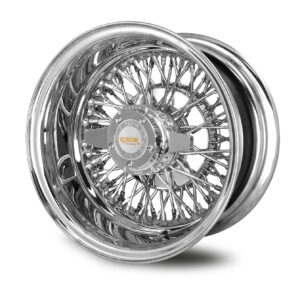
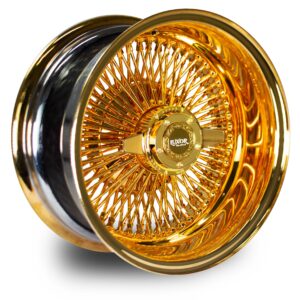
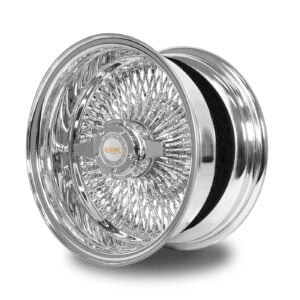
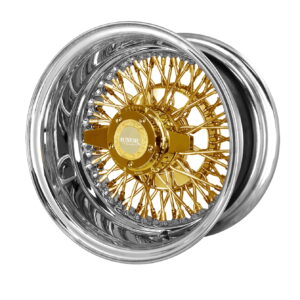
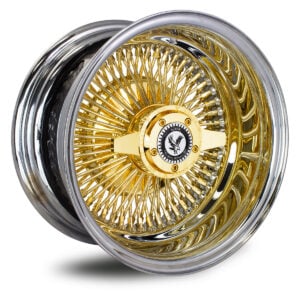
Ninja Tire's 14-inch collection includes popular 14x7 and 14x6 wire wheels in reverse and select standard configurations. Available styles include chrome, gold-center, all-gold and two-tone finishes, along with 60-spoke, 72-spoke, 100-spoke and specialty lace patterns.
These setups are commonly considered for classic Impalas, Monte Carlos, Buick Regals, Oldsmobile Cutlass models, Caprices and other traditional lowrider and custom builds. Exact fitment depends on the individual vehicle, brakes, suspension, wheel position and tire combination.
14x7 vs. 14x6 Wire Wheels
The two most important widths in this category are 14x7 and 14x6. Although the difference is only one inch in nominal wheel width, that difference can affect stance, fender clearance, tire selection and how the wheel moves through the suspension's range of travel.
Need help choosing the right width? Read our complete 14-inch wire wheel fitment guide for a detailed comparison of 14x6 vs. 14x7, standard vs. reverse fitment, tire sizing, hydraulics and vehicle clearance.
14x7 Wire Wheels
14x7 wire wheels provide a wider footprint and are especially popular on lowrider builds where a stronger stance and deeper visible lip are desired.
Many of the 14x7 wheels in our collection use reverse construction, which can create the deep-dish appearance associated with traditional lowrider wire wheels.
The wider configuration can also reduce available fender or suspension clearance compared with a narrower setup, so the complete vehicle should be considered before choosing the most aggressive fitment.
14x6 Wire Wheels
14x6 wire wheels provide a narrower alternative while preserving the classic 14-inch wire wheel appearance.
The reduced width may be useful when additional body, suspension or steering clearance is important. A 14x6 can also be a good choice for builders who prefer a narrower traditional wheel profile rather than the broader stance of a 14x7.
Neither width is universally better. The correct choice depends on your vehicle and the stance you want to achieve.
Why 14-Inch Wire Wheels Are Popular on Lowriders
Fourteen-inch wire wheels occupy an important position in traditional custom-car styling. They retain the smaller-diameter appearance associated with classic lowriders while providing slightly different wheel-to-tire proportions than a typical 13-inch setup.
For some builders, the additional inch of wheel diameter provides the right balance between traditional styling and the tire profile they want to use.
If you prefer an even smaller traditional setup, browse our 13-inch wire wheels. For a larger classic configuration, you can also compare our 15-inch wire wheels.
Reverse 14-Inch Wire Wheels and Deep-Dish Fitment
Reverse fitment is one of the most popular configurations within the 14-inch lowrider category.
A 14x7 reverse wire wheel positions the wheel center differently within the barrel to create a deeper visible outer lip. This can produce the aggressive deep-dish stance many traditional lowrider builders want.
However, reverse should not be treated as one universal offset or backspacing measurement. Actual wheel position can vary by wheel design and manufacturer.
A more aggressive reverse configuration may also move more of the wheel toward the outside of the vehicle, reducing available fender clearance.
Explore additional sizes and configurations in our reverse wire wheels collection.
Standard vs. Reverse 14-Inch Wire Wheels
Standard and reverse configurations can create very different results even when both wheels are labeled 14x7.
Standard Fitment
A standard configuration generally produces a less aggressive outer stance and can help keep more of the wheel inside the body line depending on the exact specifications.
This may be desirable when outer-fender clearance, fender skirts or suspension movement are major considerations.
Reverse Fitment
A reverse configuration generally creates a deeper outer lip and stronger outward stance.
Reverse wheels are especially popular on traditional lowriders, but additional attention should be paid to fender clearance and suspension travel.
The terms standard and reverse describe wheel configuration; actual offset or backspacing should still be verified when fitment is tight.
60-Spoke, 72-Spoke and 100-Spoke 14-Inch Wire Wheels
Spoke count and lace pattern allow two wheels with the same diameter and width to have very different visual character.
60-Spoke Wire Wheels
60-spoke designs provide a more open pattern and are available in specialty layouts such as triple-cross lace. These designs can be an excellent choice for builders who want something less common than a traditional straight-lace wheel.
72-Spoke Wire Wheels
72-spoke wire wheels are a traditional lowrider choice and are available in cross-lace and specialty patterns. Their more open spoke arrangement gives the wheel a classic appearance while allowing the barrel and finish to remain highly visible.
100-Spoke Wire Wheels
100-spoke 14-inch wire wheels create a denser, more detailed appearance. Straight-lace 100-spoke reverse designs are especially popular in chrome and gold configurations.
For actual vehicle fitment, spoke count is usually less important than wheel width, backspacing, offset, brake clearance and adapter configuration.
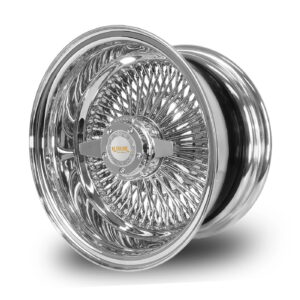
Chrome 14-Inch Wire Wheels
Chrome remains one of the most traditional finishes for smaller lowrider wheels. It pairs naturally with polished vehicle trim, whitewall tires and classic paint combinations.
Our 14-inch chrome wire wheels include 14x6 and 14x7 configurations in multiple spoke patterns and reverse designs.
You can also explore the broader chrome wire wheels collection for additional diameters.
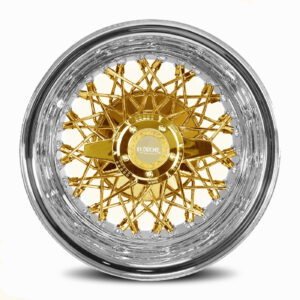
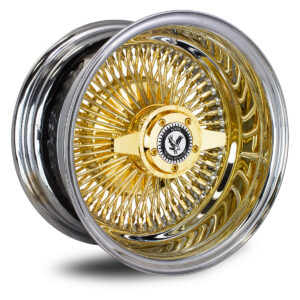
Gold and Custom 14-Inch Wire Wheels
Gold-center, all-gold and mixed chrome-and-gold configurations provide a more customized appearance for lowrider and show-car builds.
Depending on the wheel, gold details may be used on the hub, spokes, nipples, knock-offs or the complete wheel assembly.
Browse our gold wire wheels for additional sizes and finish combinations.
14-Inch Wire Wheels With Whitewall Tires
One of the most traditional combinations is a set of 14-inch wire wheels with whitewall tires.
Several products in this collection are offered as complete wheel-and-tire packages using 14-inch radial tires with narrow or wide whitewall treatments. The exact tire size should always be selected according to the wheel width, vehicle requirements and tire manufacturer's specifications.
If you're building a custom tire setup, explore our custom whitewall tires for additional sizes and whitewall options.
14-Inch Wire Wheels for Hydraulic Lowriders
Hydraulic suspension adds another layer to wheel fitment because clearance must be evaluated through more than one ride height.
A wheel that clears the fender while cruising may sit much closer to the body when the vehicle is fully lowered. Steering clearance can also change depending on ride height and wheel position.
When selecting between 14x6 and 14x7, consider the vehicle at cruising height, lowered height and full steering lock. Builders who intend to three-wheel should also consider how the wheel and tire move relative to the body throughout the suspension's intended range.
For additional traditional setups, visit our lowrider wire wheels collection.
Popular Cars for 14-Inch Wire Wheels
14-inch wire wheels are commonly considered for classic American lowrider and custom-car platforms, including:
- Chevrolet Impala
- Chevrolet Monte Carlo
- Chevrolet Caprice
- Buick Regal
- Oldsmobile Cutlass and Cutlass Supreme
- Classic Cadillac models
- Other traditional American coupes and sedans
Vehicle make and model alone should not be treated as a fitment guarantee. Model year, brake configuration, axle width, suspension modifications, wheel width, backspacing and tire size can all change the amount of available clearance.
14-Inch Wire Wheel Brake Clearance
Brake clearance is especially important when installing smaller-diameter wheels.
Many classic cars have been modified over the years with aftermarket disc brakes or larger calipers. A 14-inch wheel that fits a factory brake setup may not necessarily clear a larger aftermarket conversion.
Before ordering, identify whether the vehicle has factory drums, factory discs or an aftermarket brake conversion. Brake clearance should be confirmed whenever the available space is uncertain.
Should You Choose 14x6 or 14x7?
A 14x6 may make more sense when additional clearance, easier tuck or a narrower traditional wheel profile is the priority.
A 14x7 may be preferable when you want more width, stronger visual presence or the deeper-dish appearance available with many reverse configurations.
Wheel width should always be considered together with standard or reverse construction, backspacing, tire specifications and your vehicle's available clearance.
Shop 14-Inch Wire Wheels at Ninja Tire
Explore Ninja Tire's 14-inch wire wheel collection in 14x6 and 14x7 sizes, including reverse and select standard configurations, chrome, gold and two-tone finishes, multiple spoke patterns and complete whitewall tire packages.
If you're unsure which configuration is right for your vehicle, provide your year, make, model, current wheel and tire size, brake setup, suspension type and desired stance. Those details allow our team to make a more informed fitment recommendation.
Frequently Asked Questions About 14-Inch Wire Wheels
What is the difference between 14x6 and 14x7 wire wheels?
Both use a 14-inch nominal wheel diameter, but the 14x7 is one inch wider at the bead seats. That difference can affect tire compatibility, inner and outer clearance, fender clearance and overall stance.
Are 14x7 wire wheels good for lowriders?
Yes. 14x7 is a popular configuration for traditional lowrider builds, particularly in reverse designs where a deeper visible outer lip and stronger stance are desired. Exact vehicle clearance should still be verified before installation.
Why would I choose 14x6 instead of 14x7 wire wheels?
A 14x6 provides a narrower wheel profile and may offer additional clearance around the fender, suspension or steering components. It can also be preferable when the goal is a more tucked traditional setup.
What are 14x7 reverse wire wheels?
A reverse 14x7 wire wheel positions the wheel center to create a deeper visible outer lip. This configuration is popular on lowriders because of its traditional deep-dish appearance, although actual backspacing and wheel position should still be confirmed.
Do reverse 14-inch wire wheels poke out farther?
They often create a more aggressive outward stance than a comparable standard configuration, but the exact amount depends on wheel width, backspacing, offset and the adapter system. “Reverse” should not be treated as one universal offset measurement.
Should I choose 60-, 72- or 100-spoke wire wheels?
Spoke count is primarily a style choice. A 60- or 72-spoke wheel provides a more open pattern, while a 100-spoke wheel creates a denser appearance. Wheel dimensions and positioning are more important to fitment than spoke count alone.
Can I buy 14-inch wire wheels with whitewall tires?
Yes. Several 14-inch wheel-and-tire packages are available with whitewall tires. Tire size and approved rim-width specifications should be verified for the exact wheel and vehicle before installation.
Will 14-inch wire wheels fit a Chevy Impala?
14-inch wire wheels can work on many classic Impala builds, but fitment depends on model year, brakes, wheel width, backspacing, suspension configuration and tire size. Exact vehicle details should be checked before ordering.
Can 14-inch wire wheels be used with hydraulics?
They are commonly used on hydraulic lowrider builds, but clearance should be checked throughout the intended suspension range. A wheel that clears at normal ride height may have less fender or steering clearance when the vehicle is fully lowered.
Do 14-inch wire wheels clear disc brakes?
Not always. Factory and aftermarket disc-brake systems vary significantly in caliper size and position. Brake clearance should be confirmed, especially when the vehicle has been upgraded from its original braking system.